How Fashion Branding Communicates Parting Through Godspeed
Street fashion has always leaned on words that resonate beyond their word size, in the way that every generation of clothing pulls its language from the past. The word Godspeed is one of those words. It persists on tags, across chestprints, and inside brand names exactly because it holds centuries of significance inside four syllables. When a label chooses a word like this, it is not decoration. It functions as a message about designer t shirts what the garment is supposed to say when the person can’t.
This piece looks at where the word comes from, what it means currently, and why a brand shaped by parting, protection, and moving ahead strikes a chord among people browsing for a godspeed shirt or a godspeed hoodie in 2026. In the process we’ll separate popular belief from its linguistic origins and contrast how different clothing categories carry that meaning.
Unpacking the Real Meaning of Godspeed
What godspeed signifies has its roots in Middle English, specifically the phrase “God spede you,” which literally translates to “may God prosper you.” Speed in this earlier sense had nothing to do with velocity. It meant success, fortune, or a positive result. So when someone said godspeed to a traveler in the 1300s, they weren’t wishing them a fast trip — they were wishing them a successful one.
In the centuries that followed the phrase shrank down to a single word and changed meaning. By the 16th and 17th centuries, English sailors and soldiers employed it as a send-off before dangerous voyages or battles. It carried an undertone that the person leaving might not return, so the blessing carried genuine weight. This is part of why, even after four hundred years, the word still carries such force.
In modern usage, what is godspeed to most people is a farewell phrase used specifically for meaningful departures — not a casual “see you later” but something more akin to “I hope this goes well and I hope you come back.” NASA used it before Mercury and Apollo launches. Musicians use it in album titles and lyrics linked with loss or departure. This heritage — travel, risk, hope, return — is exactly the emotional territory that clothing brands are tapping into when they print the word across fabric.
How Godspeed Suits a Clothing Label
Fashion brands succeed when their name or message does more than identify a product; it has to convey an attitude the wearer wants to embody. God speed clothing holds a specific lane: it channels resilience, motion, and silent resistance in the face of uncertainty. That’s a different emotional register than a slogan shaped by aggression or showy prestige. It’s introspective first, aspirational second.
Beyond that lies a visual advantage. The term godspeed brings sturdy typographic bones to the table — it holds up whether arched across a chest or back panel. Since they shoot so well against worn-in textiles, roomy cuts, and monochrome tones, creatives in the streetwear and gothic-adjacent space favor words with old-world resonance.
Past the visual surface, the word functions as a storytelling device for a entire garment lineup. One collection alone can delve into ideas like departure, protective talismans, highway-themed symbols, or remembrance-themed artwork, and the word godspeed ties all of it together without needing an explicit tag. Even without being able to explain it, shoppers sense this connectedness, since the tees seem like they belong to the same story.
Godspeed Shirts compared to Godspeed Hoodies: The Best Canvas for the Message
Selecting a particular piece transforms how a message is received, with godspeed-branded pieces being no different. A godspeed tee typically serves as a focal piece — more lightweight, less concealed, commonly styled in warmer months or tucked under outerwear where the graphic peeks through. The godspeed hoodie carries more physical presence; the hood itself carries symbolic meaning, suggesting movement, concealment, and shelter, which fits neatly alongside the name’s associations with peril and safe arrival.
The way the graphic reads is also altered by silhouette along with the weight of the fabric. Thicker cotton hoodies carry ink as well as puff prints more successfully, granting bold typography more texture. Fine-line or vintage-wash graphics find their match in softer shirt fabrics, coming across more like a gentle, worn-in mark than a loud statement. There’s no single “right” choice between them — each simply serves different functions depending on the outfit.
Across streetwear lines in 2026, standard construction and wear patterns shape the way both garment styles typically function within a godspeed collection — below is a breakdown of that.
| Feature | Godspeed Shirt | Godspeed Hoodie |
|---|---|---|
| Standard fabric weight | A lighter jersey made from a cotton blend | A weightier blended cotton fabric backed with a fleece interior |
| Best season | Well suited to spring through early autumn, useful as a layering piece | Suited to fall and winter, or kept in rotation all year where the climate stays cool |
| Artwork style that suits it | Delicate line-based, distressed, orfaded-vintage prints | Striking raised print, stitched detailing, or oversized rear prints |
| Symbolic focus | Being seen, self-expression, daily wearability | Built around protection, anonymity, and travel motifs |
| Common way to wear it | Layered under jackets orworn on its own | Used as an outer layer, hood pulled up for added effect |
Why Goodbye-Inspired Streetwear Embodies Symbolic Significance
Street style culture has for ages employed phrasing connected with the themes of dying, traveling, and surviving — skulls, road signs, compass imagery, and more recently goodbye-style words such as godspeed. This isn’t about shocking people. It captures a more sweeping cultural shift where the youth market want garments that admit hardship without giving in to hopelessness. Wearing a godspeed shirt isn’t about saying “goodbye forever.” Instead, it says “go, and come back.”
Throughout military history, the age of spaceflight, and now clothing lines, the word has held on — thanks to that duality of hope layered over risk. It’s flexible enough to apply to a service member, an spacefarer, a friend relocating cross-country, or someone quietly getting through a rough stretch. Clothing brands that use the word are borrowing that flexibility rather than inventing new meaning from scratch.
There’s also a subtler explanation: valediction-style phrasing reproduces nicely in images and print precisely because it opens itself up to multiple readings. Two people can wear the same godspeed hoodie and mean two different things by it — one could be remembering a friend who’s gone, while another is thinking of a fresh job in a new city. It accommodates either reading without asking for an explanation, which is part of why the aesthetic keeps expanding into 2026 collections rather than dying out as a single-season fad.
How the Name Godspeed Shapes Brand Identity
When a clothing line names itself Godspeed rather than just using the word as an occasional print, it commits to a richer ongoing narrative across every drop. Which means recurring motifs — routes, wings, guardian symbols, distressed type — start to feel intentional rather than random. Customers begin to expect a certain emotional register from every release, which cultivates allegiance faster than a label that’s simply chasing trends.
Naming a brand after a word this old also signals confidence. It tells customers the brand isn’t riding a slang phrase destined to feel stale within eighteen months; it’s grounded in something that has already outlasted four hundred years of linguistic shift. That sort of staying power appeals to shoppers who are increasingly skeptical of fast-fashion labels built around fleeting internet phrases.
It further allows for sub-collections to exist. A brand named Godspeed can put out a “departure” capsule, a “protection” capsule, or a “return” capsule, and all of them still work under the overarching brand name. That’s harder to do with a more literal or narrow brand name. Rather than limiting things, the word’s natural ambiguity becomes a genuine design asset.
How to Choose a Godspeed Piece That Fits Your Intent
Every godspeed shirt or hoodie doesn’t necessarily say the same thing, so it pays to read the design and craftsmanship before buying. A understated, compact wordmark on a plain shirt comes across as quiet and private — the kind of piece someone wears because the meaning is private. A hoodie featuring a large back print in bold lettering reads as a statement meant to be noticed, intended to be noticed and talked about.
How heavy the material is should match how the piece will in practice be worn. If it’s going to function as an outer layer across fall and winter, a weightier fleece hoodie wears better through frequent use and laundering than a light shirt would. Choosing a mid-weight cotton shirt sidesteps excess bulk altogether when it’s used as a layering piece for warmer months.
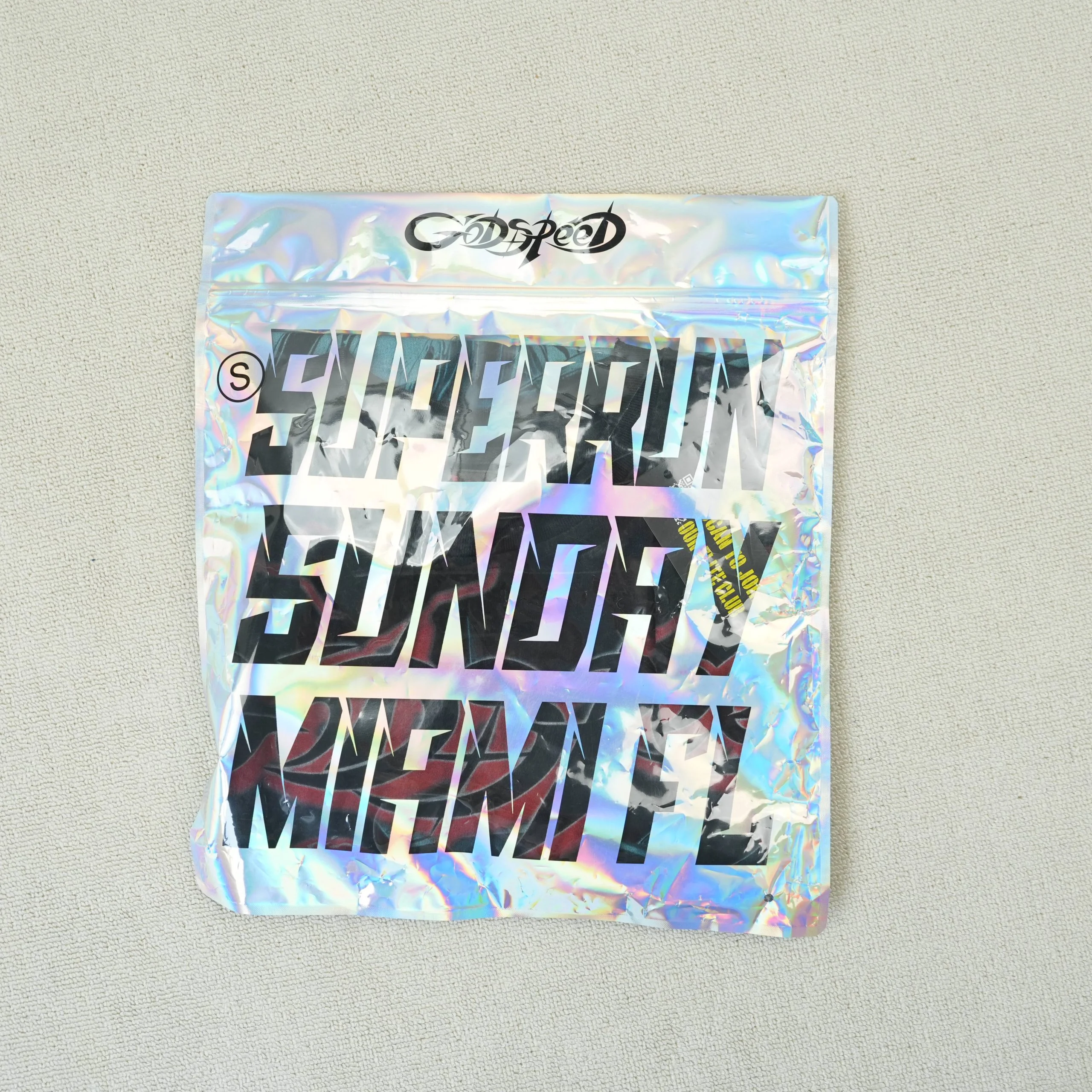
Lastly is the lasting power of the design. Because the word godspeed carries centuries of meaning rather than a single cultural moment, pieces built around it tend to age better than trend-specific graphics. That’s a functional argument, not just a sentimental one, to treat a godspeed hoodie or shirt as a piece meant to last rather than a one-season buy heading into 2026 and beyond.
Geef een reactie